The Bazaar #107: Core Rules System Chapter #9

(ANCILLARY RULES)

GENERAL
Now that we’re wrapping up the CRS project and things are coming to the final stages, we have only one real chapter of rules left to present. This is the catch-all chapter, the o
ne where nothing really fit into a neat and tidy spot with any of the preceding blocks but should be provided to the GM as an option, should the opportunity come up to introduce. Not every GM is going to be looking for these rules; that’s expected, and why they were sometimes pulled from a chapter and placed here,
DISCUSSION

Formatting. Not for nothing, the list of Ancillary Rules is presented largely in alphabetical order. There are a few parts where like-minded or rules that rub up against/parallel another set just made sense to have them one after the next. One of the other principal issues was the limitations placed on formatting. While I was reviewing and rewording many of the rules, mainly to parse down on some of the overly wordy rules, the idea that a topic be limited to a single page column or two adjoined page columns (two columns, same page). I’m not worried about parsing the spacing for imagery (for obvious copyright issues); even if I were to include imagery, I’d still manage the spacing to cleanly capture things.
Aging. It’s likely a hugely rare thing any active Player Character will have to deal with, but certainly perhaps an NPC. Then there is the chance that the GM may introduce some form of aging process into the adventure, and need a dynamic to apply to their table. Well, we’ve taken the information presented in PFRPG and modified it slightly to fit into the CRS. mostly to apply the Keyword terminology.
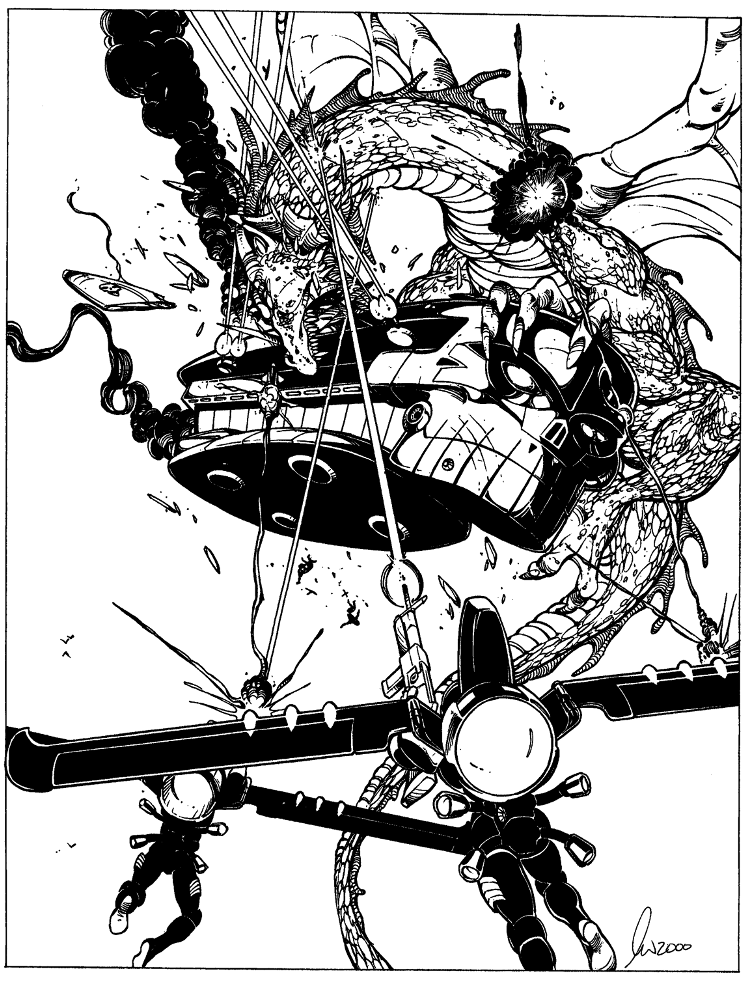
Aircraft Crash Landing. Who doesn’t enjoy the idea of crashing their airplane into the jungle, or maybe their Death’s Head Transport into the Appalachians? Realistically, this is bad-news-bears for anyone inside. Two sets of rules for the “Controlled” descent, another for the full-out and wild “Crash Landing.”
Alcohol Consumption. Although not necessarily something to be introduced at every table, it’s not long before most groups find themselves in a bar/tavern, and not long before they find themselves several drinks deep. It’s nice to have some rules for the impacts that might have.
Alcohol/Drug Addiction Recovery. Paired with the Consumption rule before, I’ve included these from PFRPG. The recovery tables deliver a structured series of rolls and results for PCs if the GM ever decided to employ this element into their role-playing. While likely something to be avoided in most groups, there are several situations this may prove applicable; Juicer detoxification or something similar.
Exertion/Fatigue. Something of a bugbear, there are numerous situations that call for use of fatigue to be employed, but no rules provided. Well, here we go. Specifics provided for the most common scenarios: climbing, swimming, running, and force marching. You’ll note that each of those corresponds to a skill, which also provides a significant benefit. As does having either supernatural strength or endurance.

Exposure. The effects of a character being subjected to intense heat or cold will definitively affect the PCs capabilities. A quick and easy system presented, based on PE and ME Attributes giving a PC an easily calculated Exposure Index. This Exposure Index is then applied to the scale of temperature change. If you exceed the time calculated for that temperature range, you suffer several Exposure Penalties, and wind up with possible Exposure Effects. Pretty easy to figure out and then simply apply the Action and Skill Modifiers. The direction and guidance on how to apply exposure-related injuries (e.g. snow blindness, heat stroke) and how to medically treat them is super easy, and all fits on a single page!

Horror Factor. Although placed within the Ancillary Rules section, Horror Factor plays a critical factor for many games. I decided to amplify the definition to what constitutes a source of Horror Factor, as well as the Saving Throws required to each type. Within the CRS, there is also the rationalization of most of the Classes; specifically within Rifts where I shaved the practical list of Classes down from 500+ to around 100. In those, several Classes were given their own source of Horror Factor (e.g. through Reputation). So what happens when two sources of Horror Factor encounter each other? Well, both roll, but the one with the higher gets a bonus!

Insanity Rules. This is the one that took the most time to accommodate into the CRS. The biggest accomplishment was getting most of the different types of Insanities reformatted to only take up a single page-column. This greatly reduces the pagination for the Insanity rules to just 4 pages total! That includes a 100-line table of random Phobias that have been reformatted to allow for GM discretion to accommodate the RPG they are playing, as opposed to the multitude of RPG-specific tables floating about. There are 10% of the table reserved for deliberate GM-defined choices to ensure they fit the game being played at their table. This makes the CRS Phobia Table universal, capable of use across any of the PB RPGs without worry about what is rolled.
Traps and Obstacles. Something drawn out of the skills section to clean that portion up, this section provides a clean and easily referenced series of traps and their effects. Everything from a simple man-trap (hole in the ground) to a missile trap).
Low Attributes. Drawn out of the RUE, the GM can leverage this to reward Players for using PCs with lower Attribute rolls. The table has been simplified in presentation to make it much quicker and easier to determine what Action/Action Challenge or Skills Modifiers to apply; delivers quick and easy results based on the Attribute score, and how the Attribute will affect in-game play. It’s not for everyone, but if used, can make a very rewarding RPG experience.
CONCLUSION
When compiling the majority of the rules for the Palladium Books RPGs into a single-source reference like this, there were a number of targeted blocks of information that fit very tidy and neat into a table, which then inserted nicely into one of the Chapters we’ve previously discussed. Throughout the process of this revision though, there have been several blocks of rules that didn’t quite fit as effortlessly as I would have liked; so I dragged them out and placed them in a separate document folder, waiting to see what I would do with them. After a short while, I realized there was enough variety to compile into a potpourri of options and baseline rules for a GM to reach back and refer to as required.
Thus finalizes the chapter entries for rules within the CRS project. It is the catch-all; this does present a rather disparate set of rules. I’ll be wrapping these up and sending them into the Rifter, to see how things are received. That said, I’ll be wrapping these up into a single package, once I get the final chapter done, which is simply the Definitions & Glossary for all the Keywords presented throughout the CRS. Ultimately, I’d like to have a PDF with links that take the reader from one spot to the next, but that is perhaps a bridge too far.
Once I’ve had a chance to finalize the CRS, I’ll plant the final copy up for anyone’s reading pleasure and commentary. Frankly, I’d consider it a bit of a living document, something that could be revised and added to. I’ve reviewed and revised much/most of the PB RPGs to get here, and there remain the Conversion Notes for classes in each RPG to present. I’m positive there may be points I’ve missed, or sections of rules to be considered. I’ll be happy to take your constructive feedback.
For now though, Ancillary Rules, in all their disparate glory, LOL.
Return to All Posts
Please LIKE and SUBSCRIBE!


Comments